
Where It Started
More than four years ago, we began developing the first concepts for what would eventually become TARTARIA 2030. At that time, the project was focused on a digital modern warfare experience centered around tanks, strategic combat and large-scale battles.
From those early ideas, we started building gameplay systems, testing prototypes and exploring how the world of Tartaria could grow into something much larger. What began as a digital concept slowly evolved into the physical tabletop war game and expanding universe we are building today.
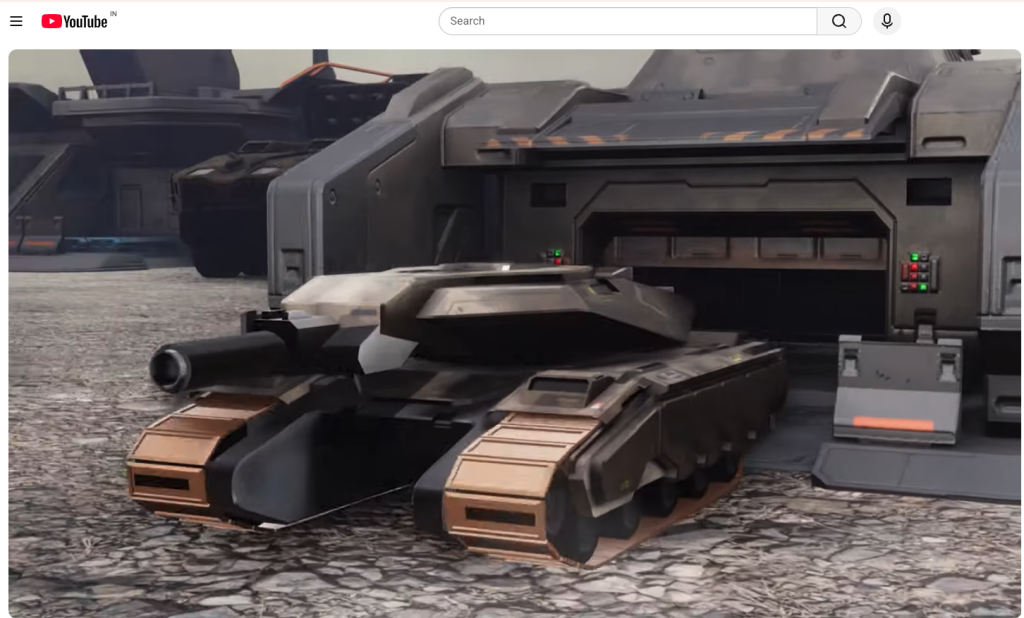
The Board Game Idea
A Joke That Became Reality
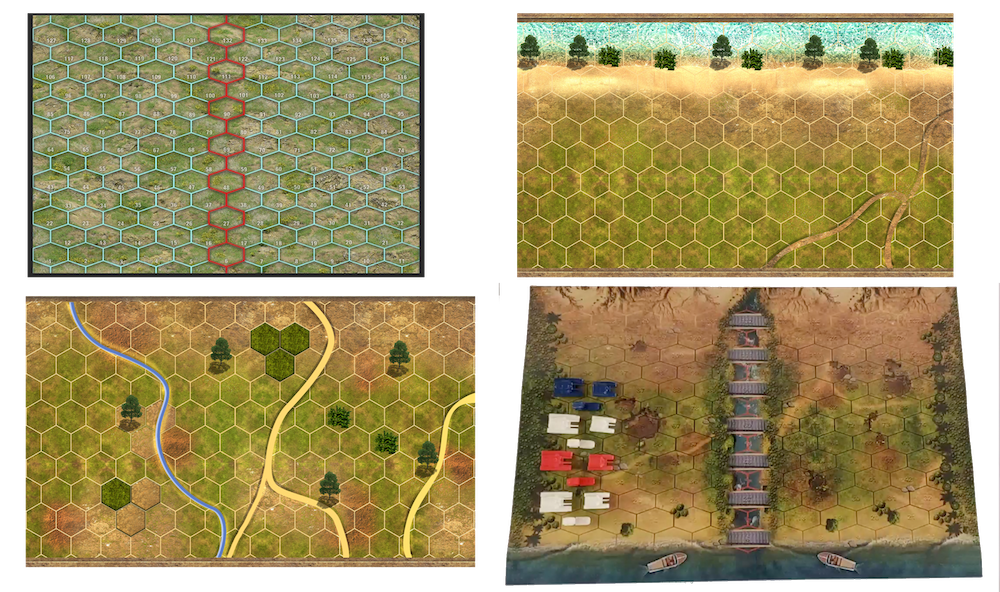
We created our first physical prototype. It was simple and rough, but it proved that the core gameplay could successfully translate from a digital experience into a board game.
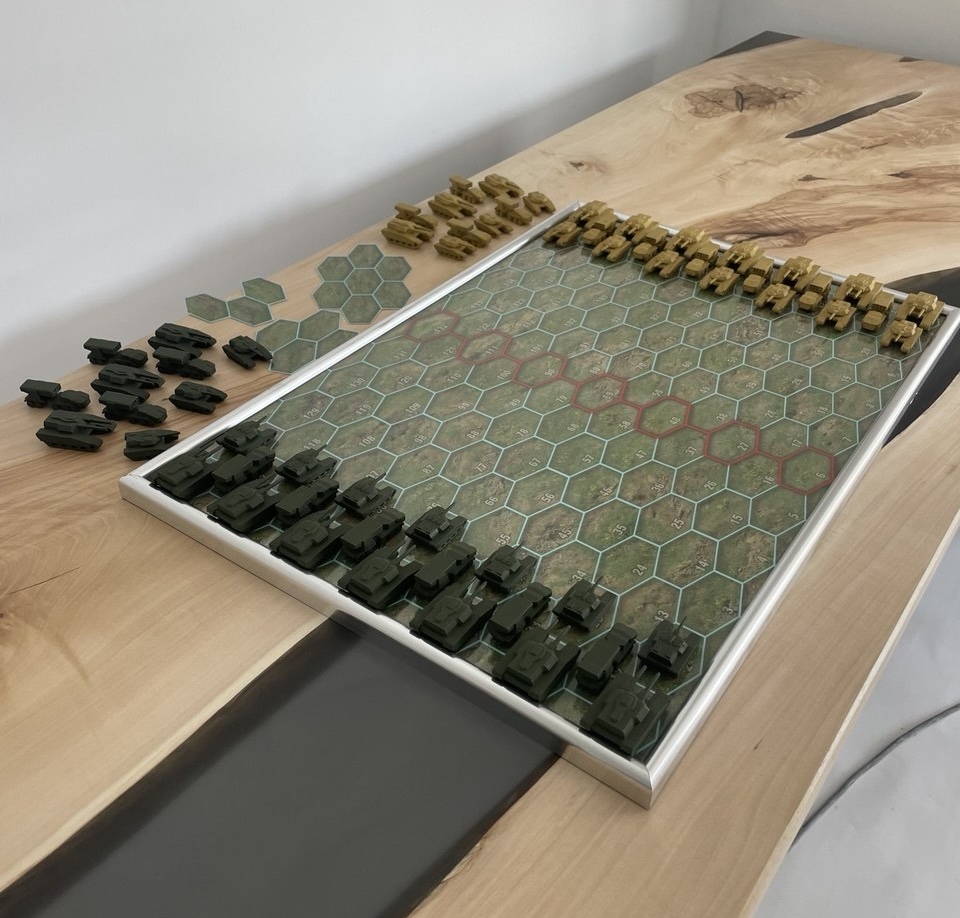
First Board Game Prototype
A Joke That Became Reality
What started as a simple joke “What if we turned this into a board game?” quickly became a serious discussion. The deeper we explored the concept, the more we realized the mechanics could work exceptionally well on a tabletop.
Endless Iteration
The Real Work Begins
With the first prototype completed, we entered a cycle of constant testing, redesigning, and improvement. Every playtest revealed new possibilities, helping us refine mechanics, balance gameplay, and improve the overall player experience.
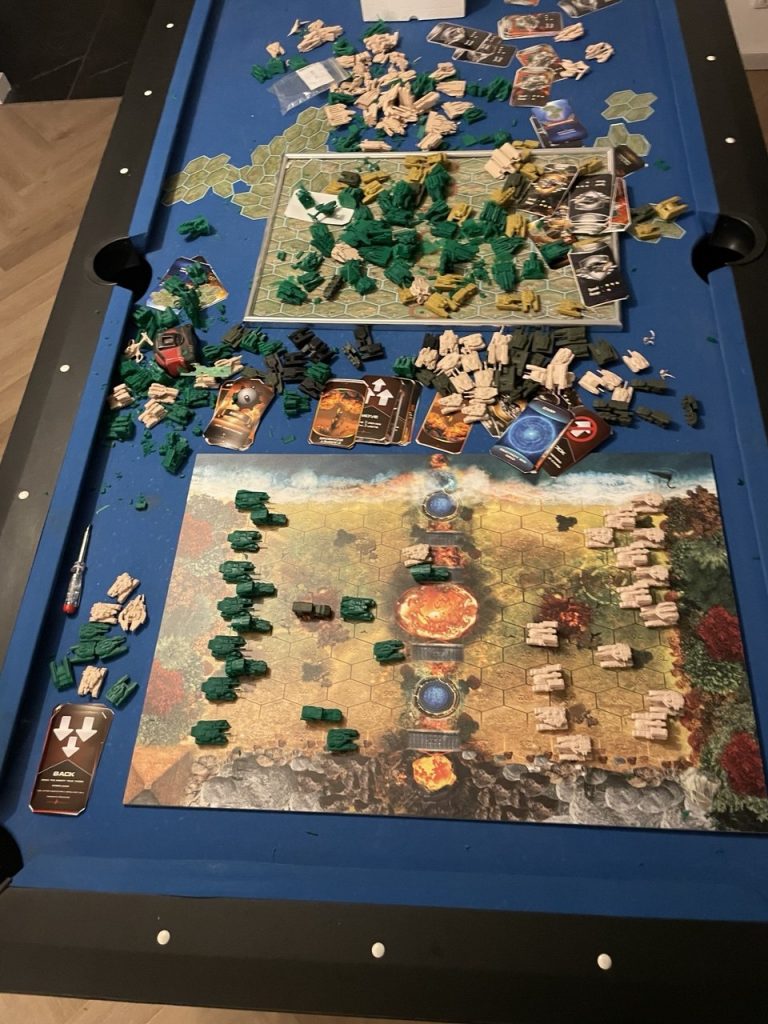
Prototype After Prototype
Building Through Experience
No single prototype was perfect. We created prototype after prototype, testing new ideas, removing what didn’t work, and expanding what players enjoyed. Each version brought us closer to the vision we had for the game. During this period, both the digital app and the board game evolved together, with ideas flowing between the two projects and strengthening both experiences.
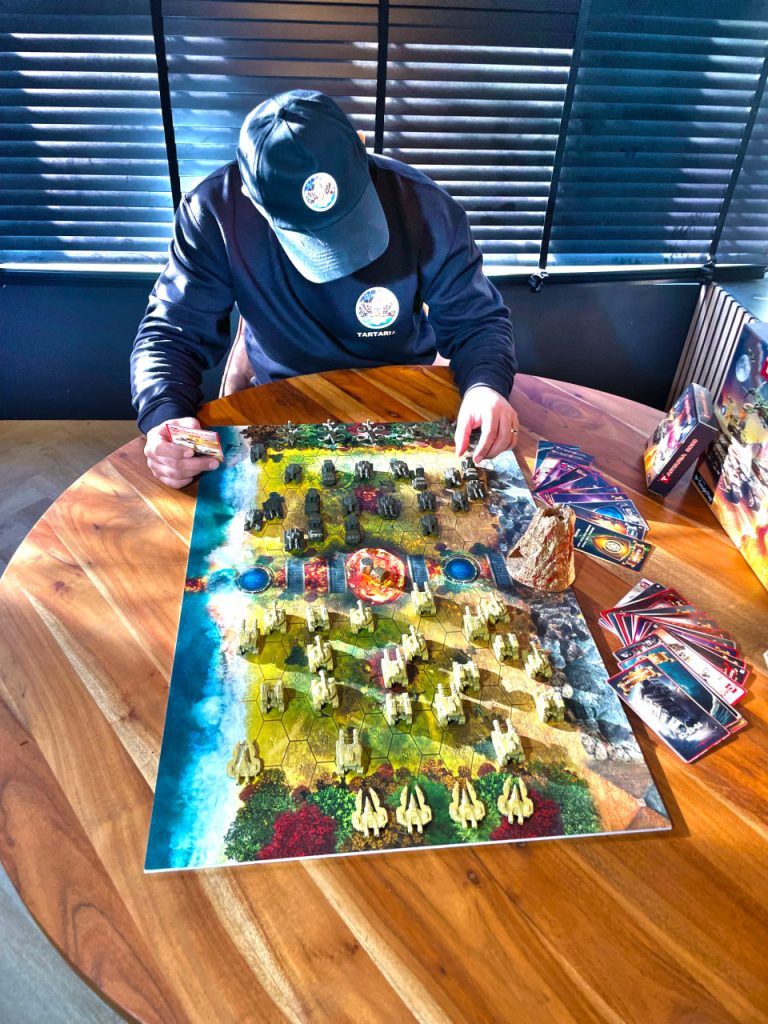
Gameplay & Mechanics Development
Refining the Core Experience
With the main prototype completed we focused on refining the core gameplay experience. This stage involved extensive playtesting balancing units improving combat systems enhancing strategic depth and fine tuning game flow.
Every test session provided valuable feedback that helped shape the game into a more engaging and immersive experience. Rules were adjusted mechanics were expanded and systems were refined to ensure gameplay remained challenging rewarding and enjoyable.
This phase transformed the project from a working prototype into a polished game with a stronger identity and a clear direction for future developmen
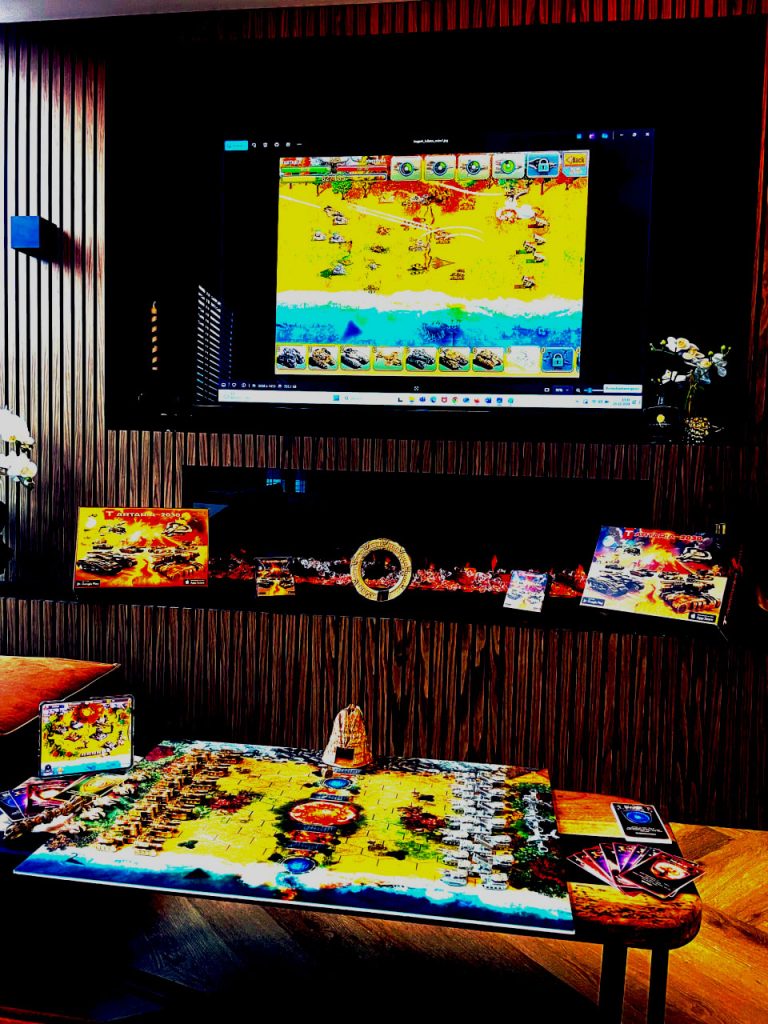
Board Game and App Evolve Together
Parallel Development
As development continued both the board game and digital game grew side by side. Rather than treating them as separate projects we used ideas from each version to improve the other.
Game mechanics strategic systems unit designs and gameplay concepts were tested across both formats. Features developed for the digital game often inspired improvements to the tabletop experience while lessons learned from board game playtesting helped refine the digital version.
This shared development process allowed both projects to evolve together creating a stronger foundation and a more cohesive vision for the future of the game.
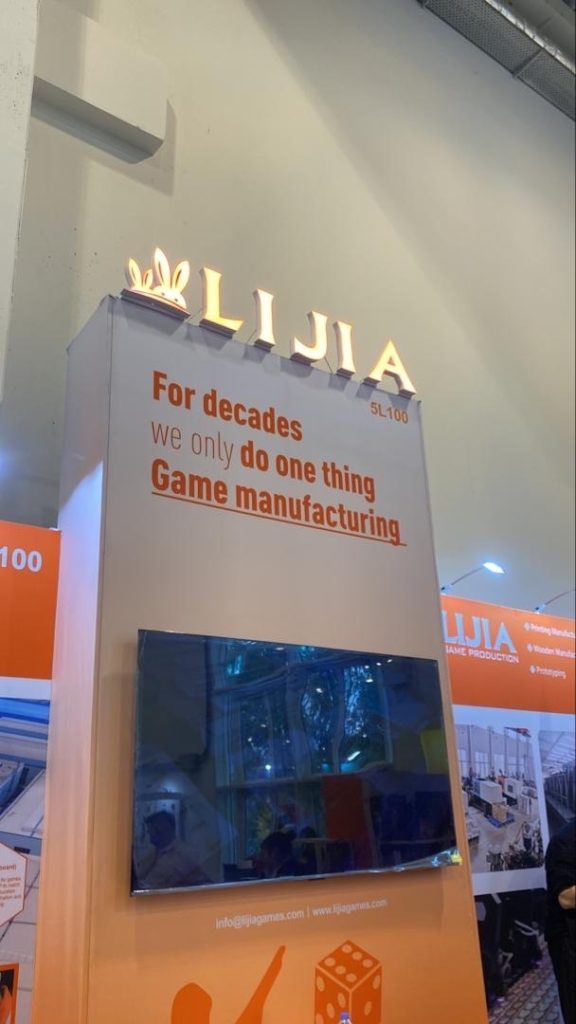
Manufacturing Discussions
Preparing for Production
We held discussions with manufacturing partners, including Lijia Game Production, to better understand production requirements, component quality, packaging options, and large-scale manufacturing processes.
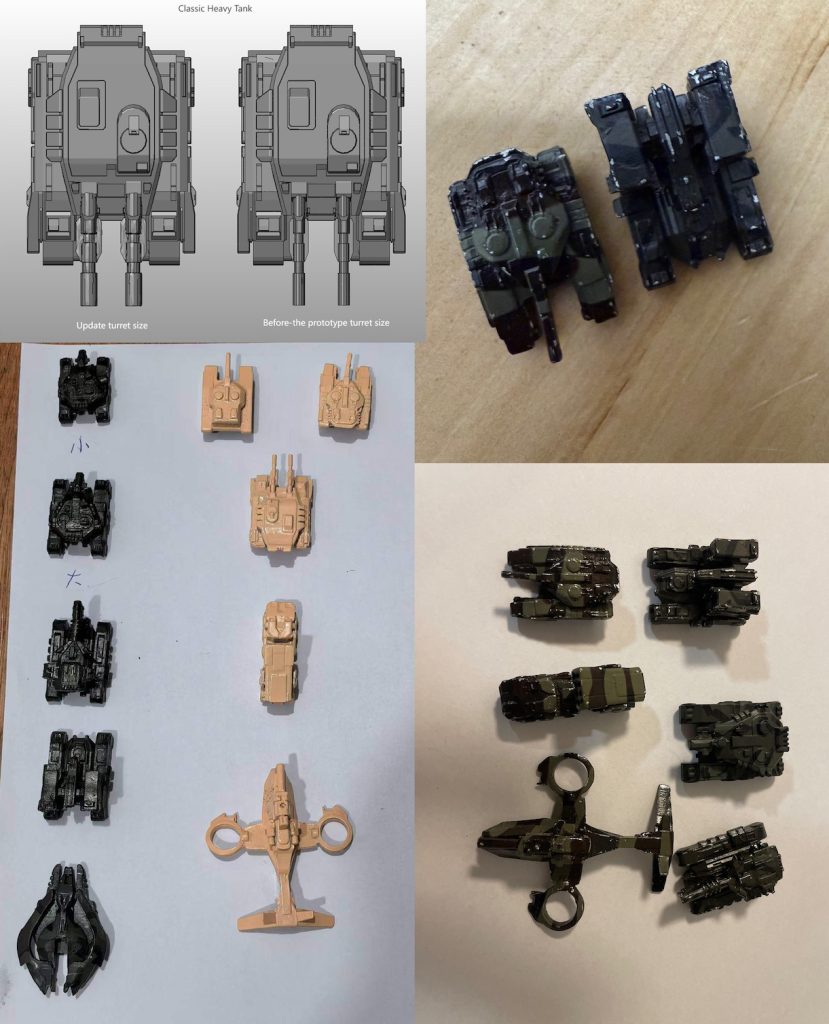
Component Engineering and Production Preparation
Preparing for Production Copy
After refining the gameplay mechanics and completing multiple rounds of testing we created a production quality prototype that more closely represented the final product. This version allowed us to evaluate component quality artwork packaging and the overall player experience as it would appear in the finished game.
The prototype production copy became an important milestone helping us identify final improvements and prepare for discussions with manufacturing partners.
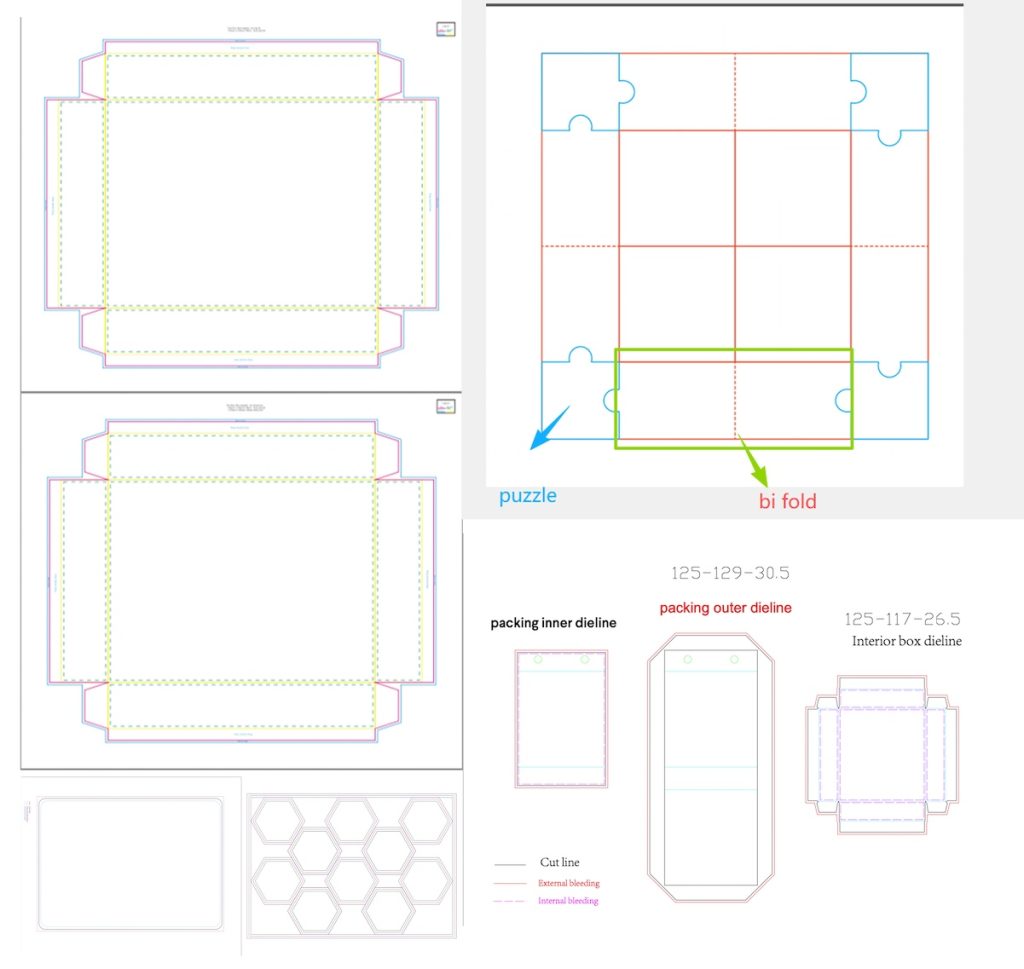
Dieline Design and Print Preparation
Preparing for Printing
As the game moved closer to production we began preparing the technical files required for manufacturing. This included creating dielines for the game box game board cards punchboards inserts and packaging components.
We carefully defined dimensions folding mechanisms cut lines bleed areas and print specifications to ensure every component would be manufactured accurately. Multiple revisions were made to improve usability durability and production efficiency.
This stage was essential in transforming the game from a working prototype into a product ready for professional printing and manufacturing. It also allowed us to validate component layouts packaging structure and overall production requirements before creating the final production prototype.
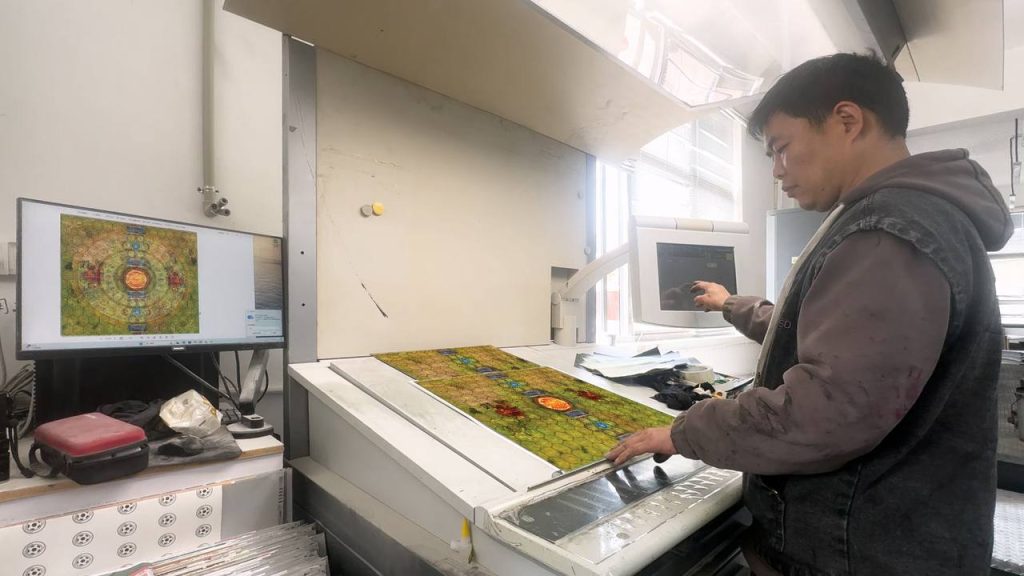
Prototype Production Begins
Preparing for Printing
With the designs finalized and manufacturing files prepared production work officially began. Initial samples were created to verify print quality component accuracy material selection and overall assembly.
During this phase we worked closely with production partners to review every element of the game including the box game board cards tokens miniatures and packaging components. Samples were tested and refined to ensure they met our expectations for quality durability and presentation.
This marked an exciting transition from development and prototyping into the first stages of bringing the game to life as a manufactured product.
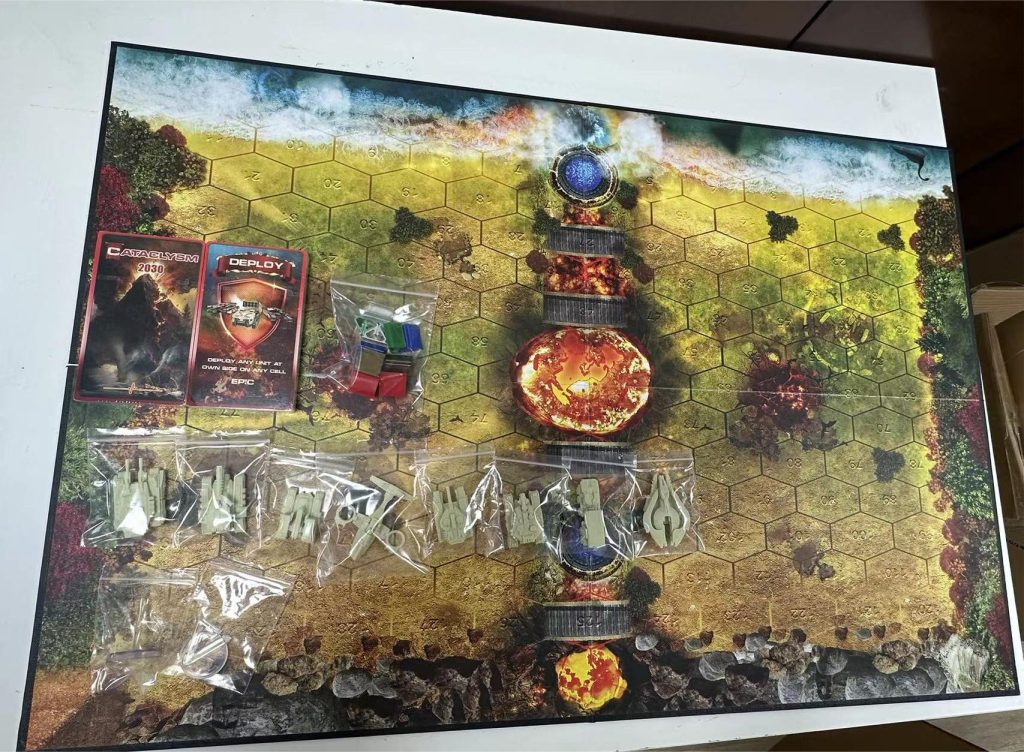
Prototype Production Copy
Preparing for Production Copy
After refining the gameplay mechanics and completing multiple rounds of testing we created a production quality prototype that more closely represented the final product. This version allowed us to evaluate component quality artwork packaging and the overall player experience as it would appear in the finished game.
The prototype production copy became an important milestone helping us identify final improvements and prepare for discussions with manufacturing partners.
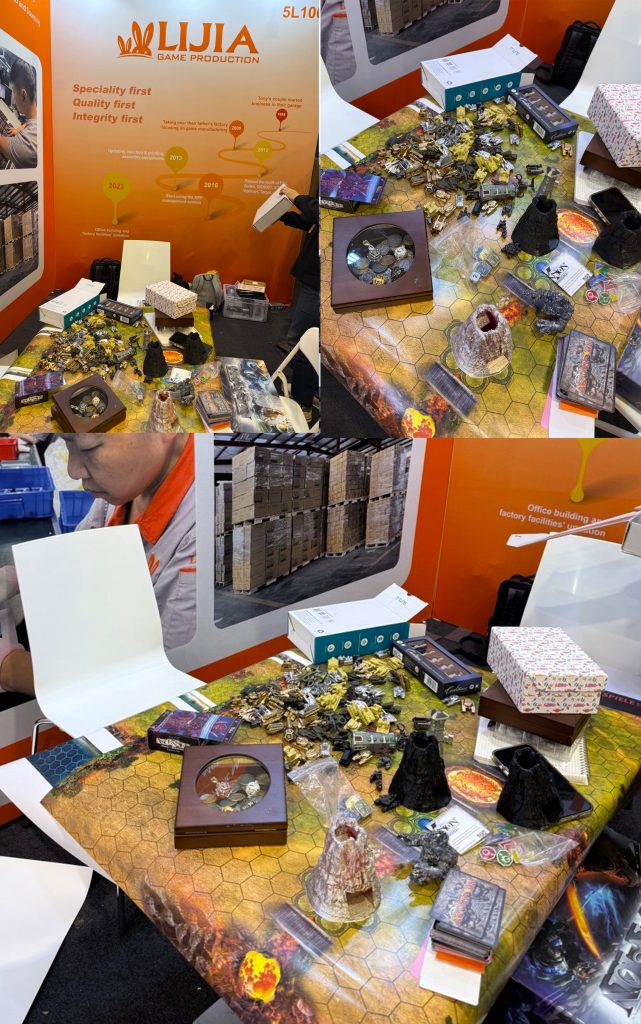
At Nuremberg Fair with Production Samples
Production Samples
With production samples completed we returned to the Nuremberg Fair to present the latest version of the game. This was a significant milestone in our journey as it gave us the opportunity to showcase years of development testing and refinement in a tangible form.
We met with manufacturers suppliers and industry professionals to review the production samples discuss component quality evaluate packaging solutions and explore final production possibilities. The feedback received during these meetings helped us identify further improvements and confirm important manufacturing decisions.
Bringing production samples to one of the world’s largest toy and game fairs demonstrated how far the project had progressed from its earliest concepts and prototypes toward becoming a finished product.

Preparing for Kickstarter Launch
Finalizing gameplay, artwork, and campaign materials as we prepare to launch TARTARIA 2030 on Kickstarter and bring the project to a global audience.
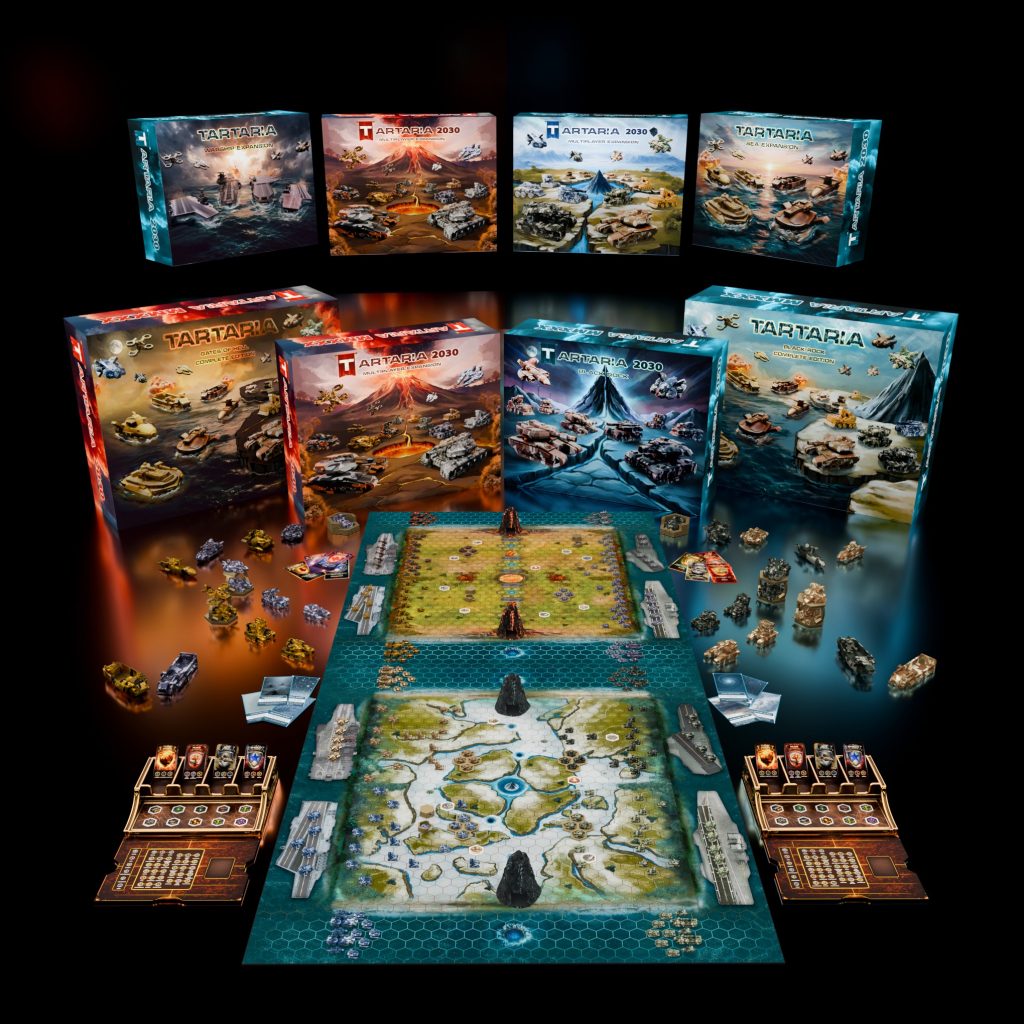
Kickstarter Campaign Launched
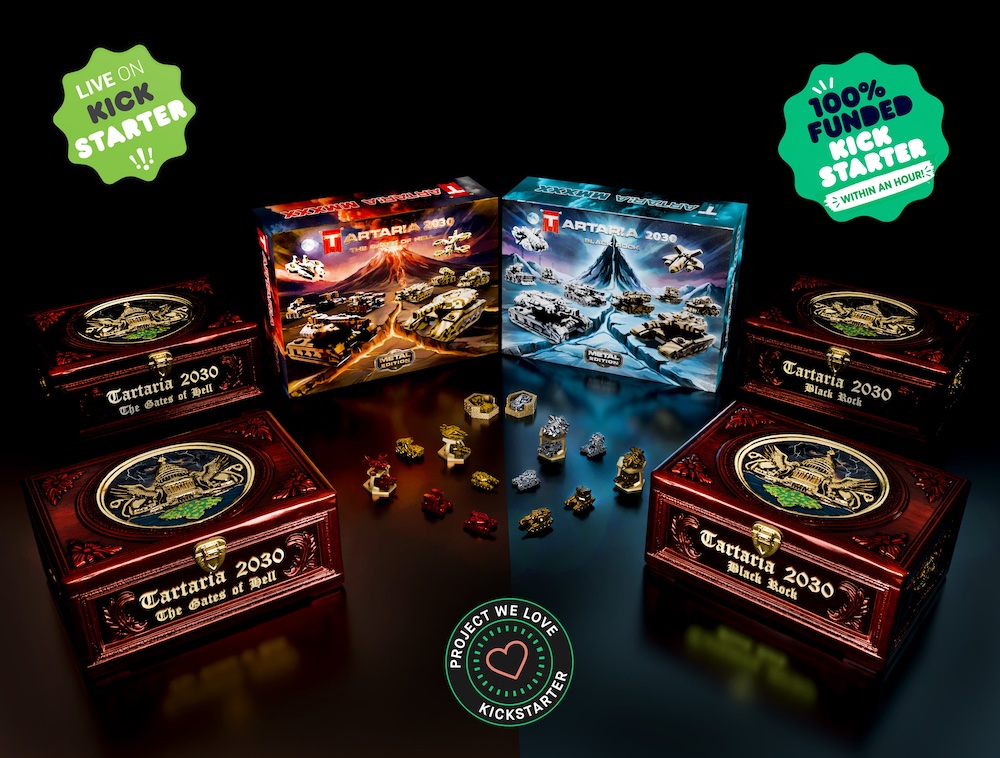
TARTARIA 2030 officially launches on Kickstarter, bringing the project to backers worldwide.
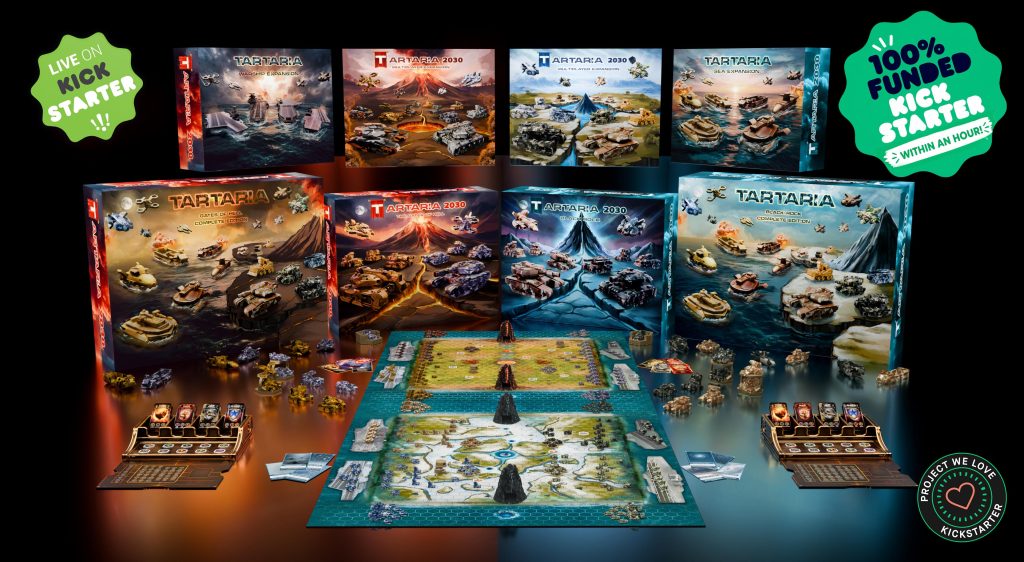
100% FUNDED WITHIN AN HOUR!
TARTARIA 2030 officially launches on Kickstarter, bringing the project to backers worldwide.
$100,000 Raised in 24 Hours
The community rallies behind TARTARIA 2030, helping us achieve a major funding milestone in just one day.
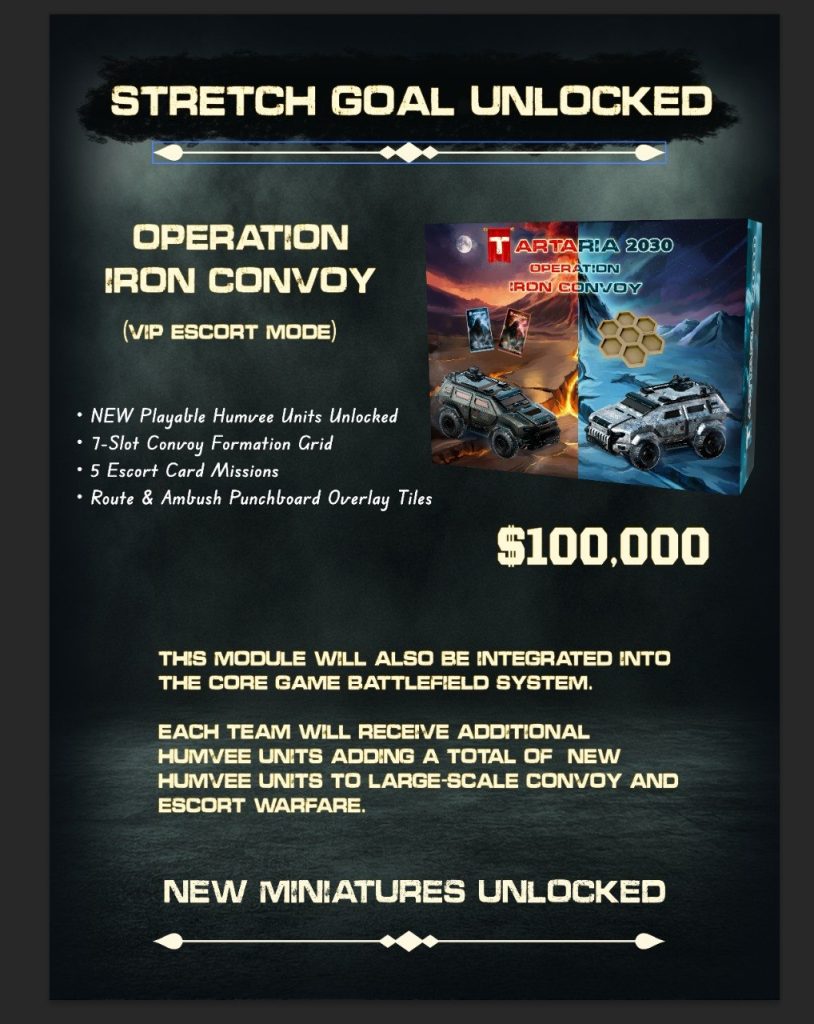
OPERATION IRON CONVOY UNLOCKED in 24 HOURS
Community support unlocked this major stretch goal
within the first 24 hours, adding new vehicles,
missions, and strategic gameplay options to the
Tartaria 2030 battlefield.
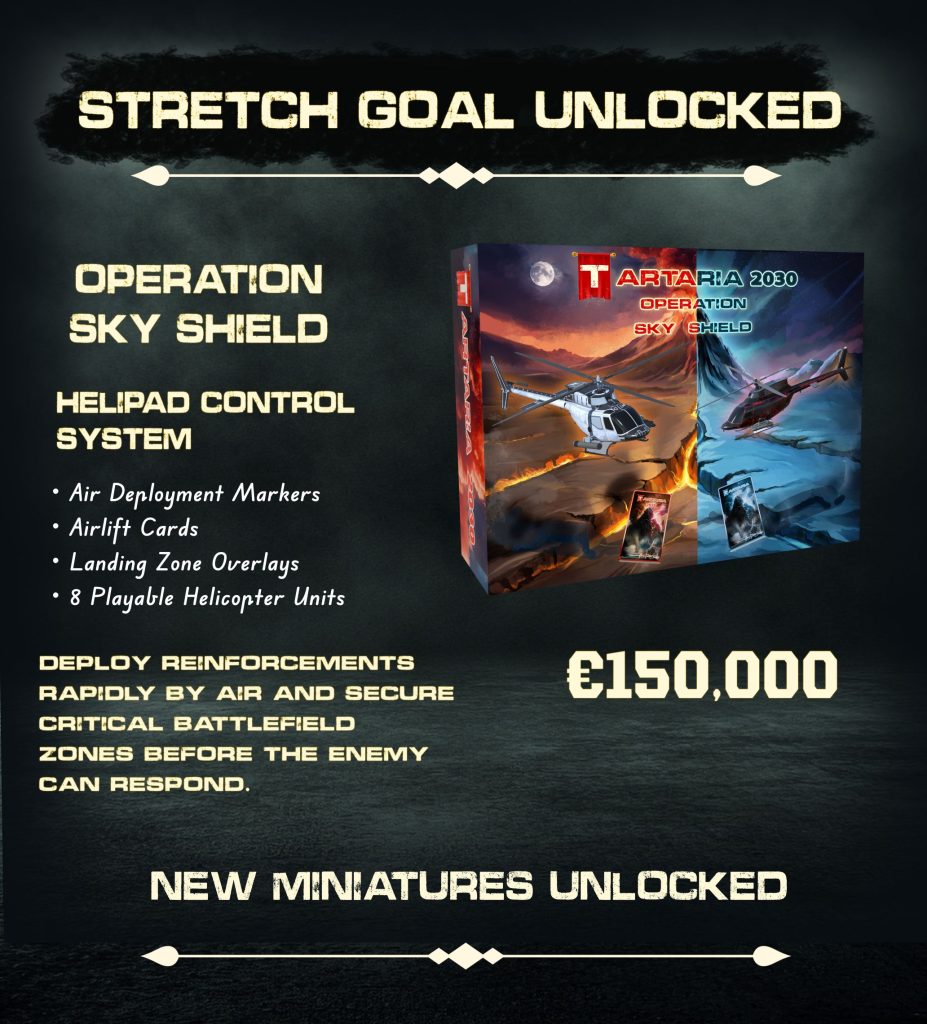
Major Stretch Goal Unlocked: Operation Sky Shield
Operation Sky Shield adds playable Attack Helicopter miniatures to TARTARIA 2030, together with Sky Shield Helipad Overlay tiles, new mission rules and air superiority gameplay.
Drones are already active across the battlefield, but Attack Helicopters bring a heavier air-support role. They can move quickly across the map, support ground units, strike exposed enemy units and contest key objectives before slower units can respond.
